

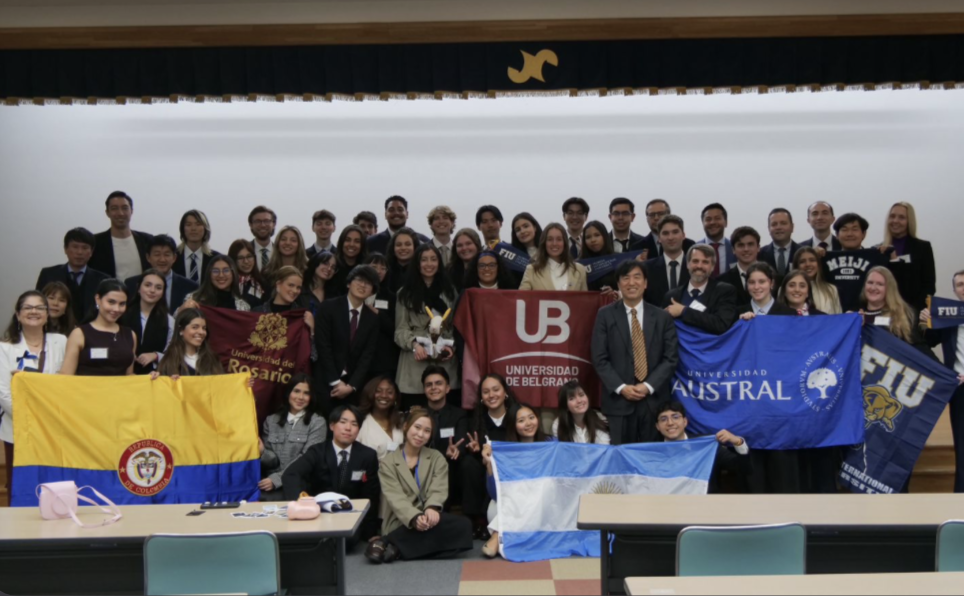
The GOROM Association is pleased to announce the SEED 2026 Edition. This initiative serves as a bridge between diverse academic fields and the revitalization of rural Japanese regions through social entrepreneurship. By integrating international students into local ecosystems, the program seeks to improve regional economies through innovative business proposals.
Program Objectives and Context
The mission of SEED is to revitalize specific Japanese regions, such as Yamanashi, by leveraging the academic background of international participants to support local companies. The program structure includes:
- Six Months of Remote Preparation: Beginning in July, the entire delegation participates in remote meetings and collaborative work.
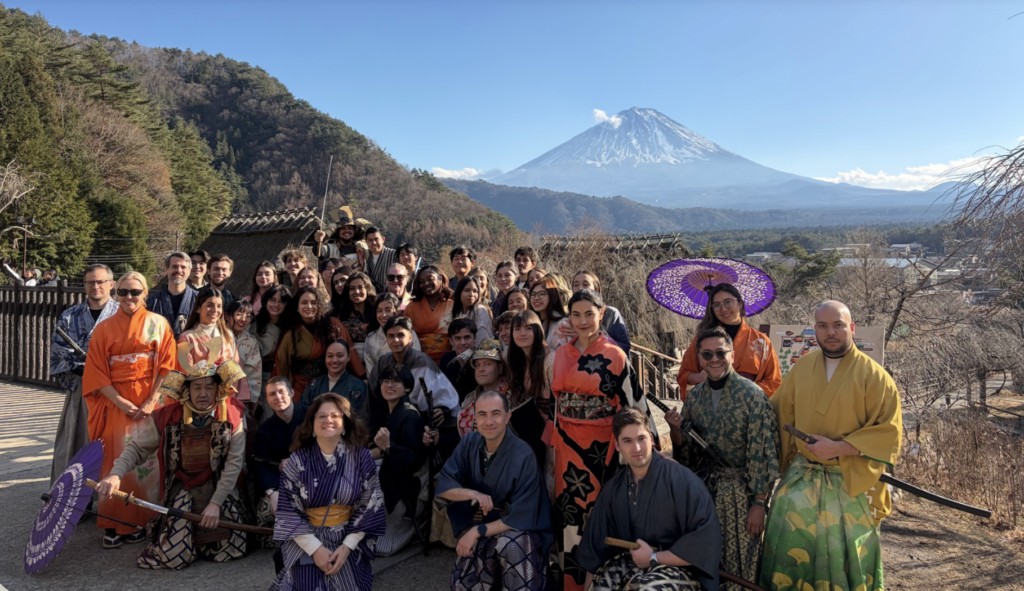
- Study Trip and Final Pitch: An intensive tour in early December where teams meet in Tokyo and travel to regional locations to engage directly with producers.
- Visits to Key Institutions: Participants visit the Ministry of Foreign Affairs (MOFA), JICA, Nippon Koei, and various Latin American and US embassies in Japan.
2026 Themes and Participation
The 2026 Winter Edition features 5 partner universities from the United States, Colombia, Brazil, and Argentina, with 4 to 6 participants selected from each institution. Teams focus on specific Yamanashi Prefecture regional themes.
Logistics and Cost Sharing
To ensure the sustainability of the program, SEED utilizes a cost-sharing model.
- GOROM Association Covers: Two weeks of accommodation, monetary support for local transportation during the program, and a stipend for food.
- Participants Provide: Round-trip airfare to Japan, a $300 USD admission fee, health and travel insurance, and some individual meals.
- Accommodation Details: Participants stay in shared rooms to foster international integration, which may include sleeping on traditional Japanese futons.
Post-Program: Alumni and Internships
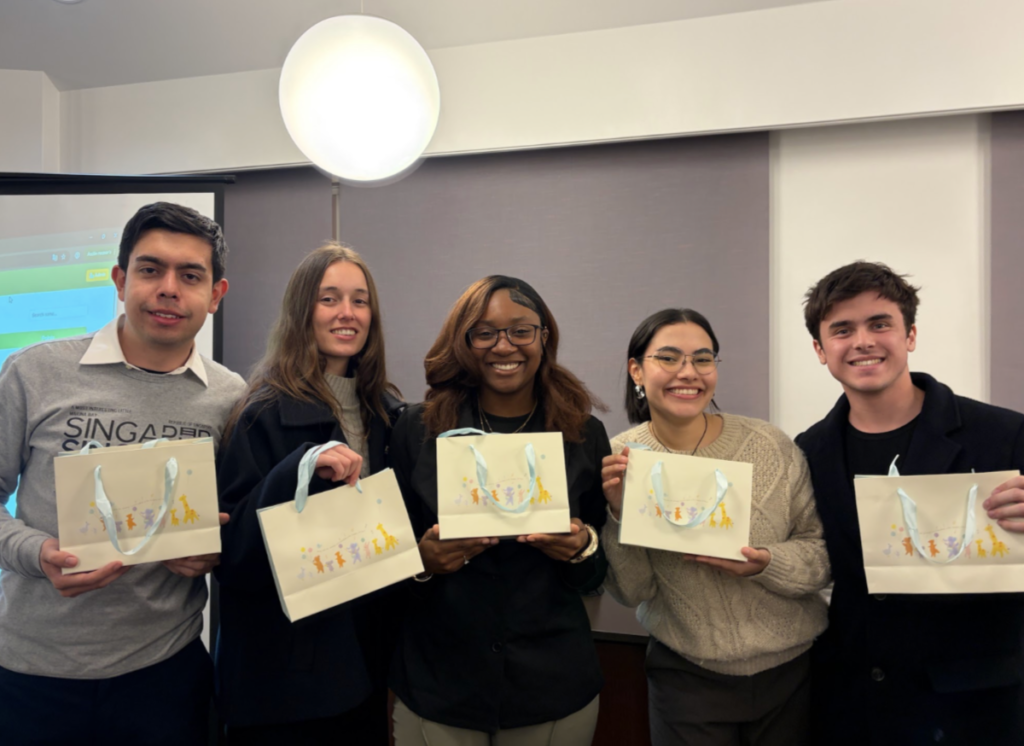
Graduates of the SEED program join a professional alumni network for ongoing networking and cultural activities. Additionally, flexible internship opportunities in various Japanese industries may be available for those wishing to work in Japan after completing the program.
Eligibility and Application
- Profile: Undergraduate students (2nd year and above) with strong academic performance and conversational English proficiency.
- Language: Japanese proficiency is recommended but not mandatory.
- Process: Interested candidates should apply directly through their university’s social media or international relations office in March and April.